



A wig that gets tossed in a drawer after one wear will tangle, flatten, and lose its shape within weeks. The fix takes two minutes and costs almost nothing.
The usual problem. You wear the wig once and drop it in a drawer. Next time you pick it up, it is flat on one side and knotted at the ends. The wig is not the problem, the drawer is.
Why storage matters more than most people think
Hair fibres, human or synthetic, hold their shape because of how they were set. Heat, moisture, and pressure undo that set. A wig stuffed into a bag or a drawer gets all three at once: trapped humidity, the weight of whatever is on top of it, and no airflow to let it dry out between wears.
Store it right and a good wig keeps its shape for months of regular wear. Store it wrong and even a well-made one looks tired within weeks.
Use a stand, not a drawer
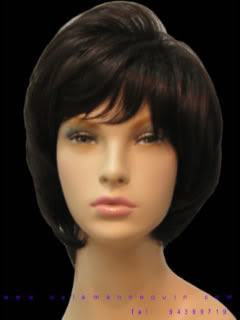
A wig head or a wig stand holds the cap open and lets the hair hang the way it was styled. This one habit prevents most tangling on its own.
A canvas or foam head works for both human hair and synthetic wigs. Mesh or wire stands are lighter and pack down for travel, but they don’t hold curls or layers as well as a solid head does, since the hair has less surface to fall against.
Whatever stand is used, keep the wig away from the edge of a shelf or table where it can get knocked, and out of direct sun, since UV exposure fades colour over time.
Detangle before you put it away, not after
Tangles set in overnight and get worse the longer they sit. Run a wide-tooth comb or a wig brush through the hair before it goes on the stand, working from the ends up to the roots.
Brushing a wig while it is dry and unstyled is much easier than untangling it cold the next time it’s needed. Two minutes before storage saves ten minutes of detangling later, and it means less breakage each time the wig is worn.
Keep heat and humidity away
Singapore’s climate makes this the step people miss most. A wig left near a window, a lamp, a bathroom, or anywhere the air gets warm and damp will absorb moisture, and that moisture is what relaxes a set style.
A cupboard or closet away from direct sun and away from the bathroom works better than an open shelf in a humid room. If the storage space runs damp, a small silica gel packet next to the stand helps absorb excess moisture, the same way it protects shoes or bags.
Human hair and synthetic wigs need different handling
Synthetic wigs hold their curl or wave pattern because the fibre was heat-set at the factory. That set is permanent under normal conditions, but high heat, direct sun, or a hot car will soften and distort it. Keep synthetic wigs away from anywhere that gets warm.
Human hair wigs behave more like natural hair. They can be washed, conditioned, and restyled, and they also react to humidity the way natural hair does, which means frizz and flyaways build up between wears. A silk or satin wig cover or a light hairnet over the stand cuts down on that friction and keeps the style smoother for longer.
Packing a wig for travel or long-term storage
For travel, a wig box or a soft case built for wigs protects the shape far better than folding it into a suitcase. If a stand won’t fit, loosely stuff the cap with tissue paper to hold its shape, then lay the wig flat rather than folding it, since folds create creases that are hard to brush out.
For storage longer than a few weeks, wash and fully dry the wig first, then keep it on a stand inside a breathable bag or box. Sealed plastic bags trap moisture and can encourage mildew on human hair wigs, so a cotton or breathable garment bag is the safer choice.
Signs a wig needs more than storage
Good storage slows wear, it doesn’t reverse damage that’s already happened. If the hair feels dry and straw-like no matter how much it’s conditioned, if the cap has stretched out of shape, or if shedding continues even after gentle brushing, the wig has reached the point where storage habits won’t fix it.
At that stage, the question becomes what to replace it with, not how to store it.
Buying for a salon or a store
Anyone stocking wigs for customers deals with this question daily: which units hold their shape on the shelf and which ones need constant re-styling before they can be sold or worn. That difference usually comes down to the fibre and cap construction, not just the storage routine.
Start with a wig built to keep its shape
Browse the Hair Wig collection and pick a piece that stores well and wears well.