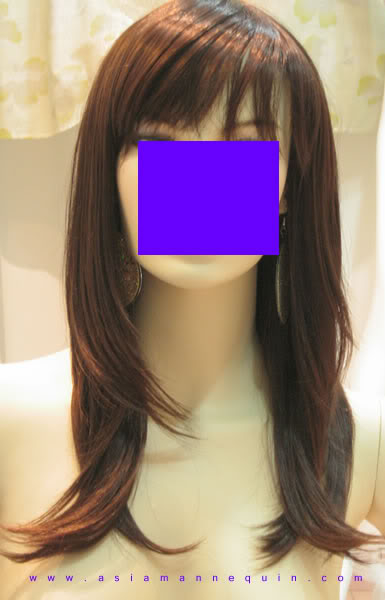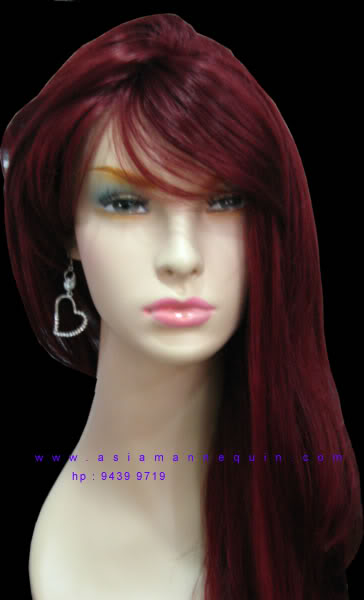



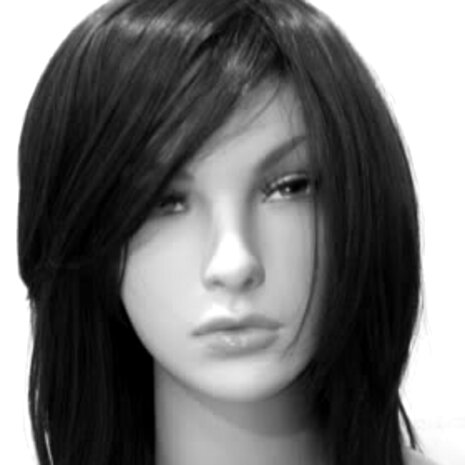
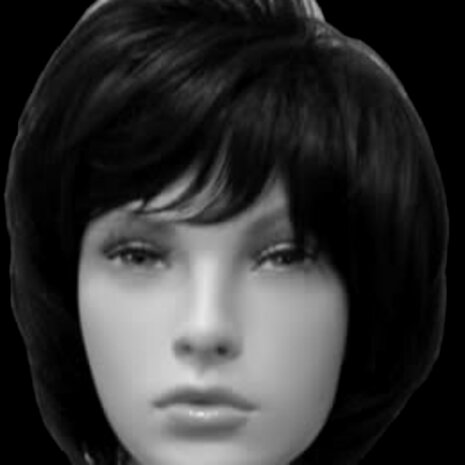

Both wig types hide the hairline. The difference is how much lace covers the head, and that changes cost, weight, and how much upkeep you take on.
The usual problem. Two wigs look the same in photos but one costs far more, and nobody explains why. So you guess: pay extra for lace you never use, or save money and find you cannot wear the hair up. The cap you cannot see is the part you live with every day.
What a Lace Front Wig Actually Is
A lace front wig has a strip of lace sewn in only at the front hairline, usually running from ear to ear. The rest of the cap is built from a thicker, non-lace material like a wig net or stretch fabric.
That lace strip is what creates the natural-looking hairline at the forehead and temples. The back and sides are built for durability, not for parting.
What a Full Lace Wig Actually Is
A full lace wig has lace across the whole cap, front to back. Every strand is hand-tied into that lace, so the wearer can part the hair anywhere: down the middle, to the side, or pulled up into a ponytail or bun.
Because the entire cap is lace, the wig sits closer to the scalp and moves more like natural hair.
The Real Trade-offs
Styling freedom. A full lace wig can be parted anywhere and worn up. A lace front wig is built for hair worn down or with a fixed part near the front. Pull it into a high ponytail and the non-lace cap underneath will show.
Weight and breathability. Full lace caps are lighter and let more air reach the scalp, since the whole cap is sheer. Lace front caps trap more heat at the back and sides.
Application time. Lace front wigs usually go on faster, since only the front edge needs gluing or taping. Full lace wigs need securing around the entire perimeter, which takes longer at the mirror.
Durability. The non-lace sections of a lace front wig hold up to daily wear better than an all-lace cap. Full lace tears more easily if handled roughly during washing or brushing.
Cost. Full lace construction takes more hand-tied hours per wig than lace front construction of the same hair quality and length, and that labour difference is what separates the two on price.
Match It to How the Wearer Actually Lives
If the wearer changes their part often, wears the hair up, or spends time under cameras and close-up lighting, full lace covers more angles.
If the wearer wants a faster morning routine, wears the hair down most days, and wants a cap that survives daily handling without babying it, lace front is the simpler choice.
For a retailer stocking both, the two types are not competing products. They serve different customers. Ask how someone wears their hair and how much time they have in the morning, and the answer usually points to one or the other.
Care Basics That Apply to Both
Regardless of lace type, the lace itself is the most fragile part of the wig. A few habits protect it either way:
- Wash with lukewarm water, never hot. Heat weakens the knots holding hair to the lace.
- Store on a wig stand, not folded flat, so the lace does not crease at the hairline.
- Keep alcohol-based adhesive removers off the lace fibres themselves. Apply at the skin, not the mesh.
- Detangle from the ends upward, not from the roots down, to keep tension off the knots.
Which One to Stock
Most boutiques carry both, because most customer bases split roughly the same way: some want the low-maintenance option, some want the versatile one. Neither type is the better wig. They solve different problems.
Find the cap that fits your routine
Lace front or full lace, the right one depends on how you wear it. Start looking here.